You seem to have a connection error, which may affect the rest of your experience. You can still track your data, but other app functionality will be limited.
00:00:00
00:00:00
We are constantly expanding this app.
If you think something is missing, drop us a mail.
Tap here to go there.
In a few hours this will be updated.
Start Day & Time:
End Date & Time:
Edit Fasting Hours.
Your fast will end at:
Submitting details ...
Checking details ...


Setup all your Stats and Emergency contacts here
Add a contact and activate a topic by selecting the switch and fill out the details
These details will be stored and used throughout the application
Checking details ...
We offer two main subscription plans to add more useful tools to suit your needs, which may enhance your in-app experience, add hidden features, and allow for closer communications with others you choose.
Well, let me be the first to say that the fact that you are on this page is a massive step in the right direction. Not only does it hold you accountable, and keeps us developing new features, but also allows for you to enjoy those features too:
Everything is better in platinum, so on top of the Gold Membership offerings, we add the following into the mix:
You can upgrade or downgrade from monthly plans, or cancel them at any time.
Payment couldn't be easier with a few payment options integrated
Take the hassle out of payment options our payment gateway has to offer
Remember, you can re-subscribe at any time.
Contact Locator
Track your conversations within this chat platform
Loading messages
Report user to admin
Report message to admin
Track your conversations with others on this chat platform
Track your conversations within this chat platform
Keto coins are a virtual Keto money that you can use against any of your purchases from marilynbeuster.online or in this app, or to donate to a friend, or redeem it for gift vouchers with one of our retail partners.
Keto coins are earned with your monthly subscriptions, buying online purchases, and by referring a friend that signs up on this app..
Your keto coins:
Life is so much better when humanity is at large.
Your keto coins:
By 12 hours, you've entered the metabolic state called ketosis. In this state, your body starts to break down and burn fat.
Ketosis is a metabolic state in which there's a high concentration of ketones in the blood. This happens when fat provides most of the fuel for the body, and there's limited access to glucose. Glucose (blood sugar) is the preferred fuel source for many cells in the body.
Ketosis is most often associated with ketogenic and very low carb diets. It also happens during pregnancy, infancy, fasting and starvation (3Trusted Source, 4Trusted Source, 5Trusted Source, 6Trusted Source).
For ketosis to start, you generally need to eat fewer than 50 grams of carbs per day and sometimes as little as 20 grams per day. However, the exact carb intake that will cause ketosis varies between individuals.
To do this, you may need to remove certain food items from your diet, such as:
You also have to cut back on:
When eating a very low carb diet, levels of the hormone insulin go down and fatty acids are released from body fat stores in large amounts.
Many of these fatty acids are transported to the liver, where they're oxidized and turned into ketones (or ketone bodies). These molecules can provide energy for the body.
Unlike fatty acids, ketones can cross the blood-brain barrier and provide energy for the brain in the absence of glucose.
By 18 hours, you've switched to fat-burning mode and are generating significant ketones
You can now begin to measure blood ketone levels above your baseline values. Under normal conditions, the concentration of ketones in your plasma ranges between 0.05 and 0.1 mM. When you fast or restrict the carbohydrates in your diet, this concentration can reach 5-7 mM. You can help accelerate ketone production with some heart-pumping exercise! For example, intermittent fasting combined with running cause rewiring of nerve cells in the brain which leads to improved learning and memory in lab animals
As their level in your bloodstream rises, ketones can act as signaling molecules, similar to hormones, to tell your body to ramp up stress-busting pathways that reduce inflammation and repair damaged DNA for example.
Within 24 hours, your cells are increasingly recycling old components and breaking down mis-folded proteins linked to Alzheimer's and other diseases. This is a process called autophagy.
Autophagy is an important process for cellular and tissue rejuvenation – it removes damaged cellular components including mis-folded proteins. When your cells can't or don't initiate autophagy, bad things happen, including neurodegenerative diseases, which seem to come about as a result of the reduced autophagy that occurs during aging. Intermittent fasting activates the AMPK signaling pathway and inhibits mTOR activity, which in turn activates autophagy. This only begins to happen, however, when you substantially deplete your glucose stores and your insulin levels begin to drop.
Intermittent fasting is one way in which you can increase autophagy in your cells and possibly reduce the effects of aging. A 2019 study with 11 overweight adults who only ate between 8 am and 2 pm showed increased markers of autophagy in their blood after fasting for around 18 hours, compared to control participants who only fasted for 12 hours. A second study detected autophagy in human neutrophils starting at 24 hours of fasting. In a third study, skeletal muscle biopsies of healthy male volunteers who fasted for 72 hours showed reduced mTOR and increased autophagy. In mice deprived of food, autophagy increases after 24 hours and this effect is magnified in cells of the liver and brain after 48 hours.
But intermittent fasting is not the only way to enhance the ability of your cells to recycle old components. Some of the known benefits of exercise for overall health have to do with increased autophagy. For example, autophagy induced by exercise delays the progression of heart disease by giving the heart better quality cell parts and reducing oxidative damage.
Exercise, just like intermittent fasting, inactivates mTOR, which increases autophagy in many tissues. Exercise mimics the effects of going without food for an extended period: It activates AMPK as well as autophagy-related genes and proteins.
In mice, endurance exercise increases autophagy in the heart, liver, pancreas, fat tissue, and brain. In humans, autophagy increases during high intensity exercise, including marathon running and cycling.
By 48 hours without calories or with very few calories, carbs or protein, your growth hormone level is up to five times as high as when you started your fast
Part of the reason for this is that ketone bodies produced during fasting promote growth hormone secretion, for example in the brain. Ghrelin, the hunger hormone, also promotes growth hormone secretion. Growth hormone helps preserve lean muscle mass and reduces fat tissue accumulation, particularly as we age. It also appears to play a role in mammalian longevity and can promote wound healing and cardiovascular health.
By 54 hours, your insulin has dropped to its lowest level point since you started fasting and your body is becoming increasingly insulin-sensitive.
Lowering your insulin levels through Intermittent fasting has a range of health benefits both short term and long term. Lowered insulin levels put a brake on the insulin and mTOR signaling pathways, activating autophagy. Lowered insulin levels can reduce inflammation, make you more insulin sensitive (and/or less insulin resistant, which is especially a good thing if you have a high risk of developing diabetes) and protect you from chronic diseases of aging including cancer.
By 72 hours, your body is breaking down old immune cells and generating new ones
Prolonged fasting reduces circulating IGF-1 levels and PKA activity in various cell populations. IGF-1, or insulin-like growth factor 1, looks a lot like insulin and has growth-promoting effects on almost every cell in the body. IGF-1 activates signaling pathways including the PI3K-Akt pathway that promotes cell survival and growth. PKA can also activate the mTOR pathway (and, of interest, too much caffeine during a fast may promote activation of PKA).
You might see where this is leading – pressing the brakes on IGF-1 and PKA through nutrient restriction and fasting can turn down cellular survival pathways and lead to breakdown and recycling of old cells and proteins. Studies in mice have shown that prolonged fasting (greater than 48 hours), by reducing IGF-1 and PKA, leads to stress resistance, self-renewal and regeneration of hematopoietic or blood cell stem cells. Through this same mechanism, prolonged fasting for 72 hours has been shown to preserve healthy white blood cell or lymphocyte counts in patients undergoing chemotherapy.
Breaking your intermittent fast will be more beneficial if done correctly, as keeping your body in ketosis and in its beneficial state depends on how you re-feed yourself, and the types of re-feeding progression is just as important too.
Use the recommended guidelines below to aid you end your fast safely and correctly:
2 small meals and one big meal ( for beginners and progesterone week for women to look after this hormone )
1 snack and 2 meals (1 snack is your fast breaker – broth, avo and kimchi, small handful of macadamia nuts/pecan nuts/ one egg). Make sure you only eat protein at one of you meals if your snack is a protein
2 meals ( small and big meal )
A healthy keto diet is built on whole, nutrient-dense foods, such as meat, fish, eggs, and non-starchy vegetables, along with natural fats like butter or olive oil. Use the food lists below to choose foods that keep you at less than 20 grams of net carbs per day (total carbs minus fiber).
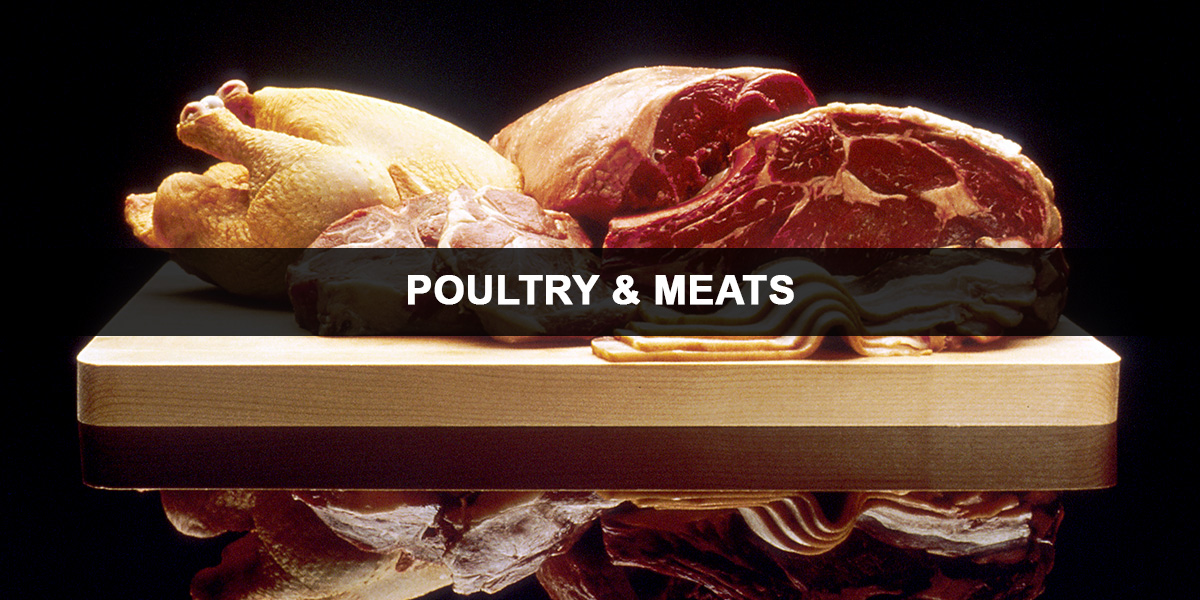
Meats are perfect for keto. You can have beef, pork, lamb, wild game, and poultry of all kinds. Soy products like tofu and tempeh also work. You can also have deli meats like sausages and cold cuts. Choose items with no added sugars, starches, or breading to keep your carbs low.
Meats and meat substitutes
Most fish and shellfish are keto-friendly. Fatty fishes such as salmon, sardines, mackerel, and herring are excellent choices, as are mild white fishes such as cod, halibut, and trout. Choose fish and seafood without added sugars or breading to keep your carbs low.
Keto-friendly fish and seafood
Eggs are delicious, portable, and vegetarian-friendly. Try them boiled, fried in butter, or in an omelet for a quick, inexpensive meal. Enjoy eggs as often as you’d like because when you avoid carbs, you don’t have to avoid dietary cholesterol.
Ways to eat eggs
Enjoy unlimited non-starchy vegetables such as leafy greens and crunchy salad veggies such as cucumber, celery, and radishes. Other favorites include cauliflower, cabbage, avocado, broccoli, and zucchini. Fresh or frozen, most vegetables that grow above-ground are keto-friendly. You can even eat a vegetarian keto diet.
Best keto vegetables
Most tart fruits, such as berries, lemons, and limes are fine if you keep the serving size small. The same is true for melons because of their high water content. But almost all other fruit contains too much sugar. A small scoop of fresh berries served with real whipped cream and shaved dark chocolate makes a lush, delicious keto dessert.
Best keto fruits and berries
Many nuts and seeds are low in carbs. Just watch out for two things. First, don’t eat too many! Start with just a few or up to ¼ cup (about 25 grams) for a snack. And the kind of nut you choose matters. Some nuts, such as cashews, are much higher in carbs than others, such as pecans or macadamia nuts. You can also enjoy pumpkin, sunflower, and other seeds on keto.
Best keto nuts and seeds
Cheese, butter, and cream can all be part of a keto diet. Greek yogurt in particular, makes for a protein-rich breakfast with few carbs. Avoid flavored low-fat yogurt that is often full of added sugar.
Note: Avoid drinking milk as the milk sugar quickly adds up (one glass = 15 grams of carbs). However, you can use it sparingly — a tablespoon or so — in your coffee. Also, regularly snacking on cheese when you’re not hungry is a common mistake that can slow down weight loss.
Don’t fear fat. It can help you feel fuller longer. Most of your fat should come with protein-rich foods like meat, poultry, fish, and eggs. But you can also cook with olive oil, top your veggies with cheese, and add dressings to salads. Rich sauces — think Bearnaise sauce, garlic butter, and mayo — can also be part of a keto diet, but if you are trying to lose weight, use only enough to make your meals enjoyable.
This is where we keep track of your saved fasts.
These results are automatically added, however you can add a missed fast here too.
Click on a tab and view all fasts compared, or create a past fast.
To close this instruction, press the "X" in the top of the screen.
This is where we keep track of your weight measurements. We recommend you track this daily.
For this to be most effective, track your weight measurements at the same time of the day as the previous reading.
Try to take the measurements in the morning or after a resting period, before food consumption.
To close this instruction, press the "X" in the top of the screen.
Weight Reading
This is where we keep track of your fat measurements. We recommend you track this daily.
For this to be most effective, track your weight measurements at the same time of the day as the previous reading.
Your pinch reading with caliper should be done on the right side of your body at the allocations indicated
Try to take the measurements in the morning or after a resting period, before food consumption.
To close this instruction, press the "X" in the top of the screen.
This is where we keep track of your blood pressure. We recommend you track this at least once a month.
For this to be most effective, track your blood pressure measurements at the same time of the day as the previous reading
Try to take the measurements in the morning or after a resting period, with your arm at heart level.
To close this instruction, press the "X" in the top of the screen.
Blood Pressure Reading
This is where we keep track of your blood glucose levels. We recommend you track this at least once a month.
For this to be most effective, track your blood glucose measurements at the same time of the day as the previous reading
Try to take the measurements in the morning or after a resting period, before food consumption.
To close this instruction, press the "X" in the top of the screen.
Blood Glucose Reading
This is where we keep track of your cholesterol levels. We recommend you track this at least once every 6 months.
For this to be most effective, track your cholesterol measurements at the same time of the day as the previous reading
Try to take the measurements in the morning or after a resting period, before food consumption.
![]()
To close this instruction, press the "X" in the top of the screen.
Cholesterol Reading
This is where we keep track of your keytone measurements. We recommend you track this during a long fast.
For this to be most effective, track your keytone measurements at the same time of the day as the previous reading
Try to take the measurements in the morning or after a resting period.
To close this instruction, press the "X" in the top of the screen.
Keytone Reading
Intermittent fasting may trigger a process called metabolic switching, which sets off a cascade of health benefits.
Each new year brings fresh proclamations about the best ways to lose weight and get healthier. There's a lot of hype around extreme diets that have little research to support them, but an article published in December 2019 in The New England Journal of Medicine suggests that one popular approach — intermittent fasting (IF) — may be worth considering.
"Research findings suggest that there are many changes that occur in the body and brain in response to IF that can improve health and protect against chronic diseases, include improved glucose regulation, reduced blood pressure and resting heart rate, reduced inflammation, and improved muscle health,"
In the article, researchers examined results from studies in animals and humans that focused on how IF may impact health markers such as metabolism and how IF may slow or reverse aging and disease.
IF is an eating pattern that includes extended time periods during which no or very little food and caloric beverages are consumed.
There are many types of IF, but these are practiced most frequently:
Several studies and research in humans have shown that alternating between times of fasting and eating may support cellular health, probably by triggering an age-old adaptation to periods of food scarcity called metabolic switching, according to studies cited in the new article.
This switch happens when cells use up their stores of readily accessible glucose, or sugars, and begin converting fat into energy in a slower metabolic process. It normally takes about 16 hours without food for metabolic switching to occur, Mattson says.
During fasting, the liver converts fatty acids into ketones, a type of fuel released into the bloodstream when stores of glucose run out. Ketones also regulate the activity of many proteins and molecules that are known to influence health and aging.
As part of this process, IF triggers a stress response that increases the body's antioxidant defenses against free radicals that damage cells and tissues, boosts DNA repair, removes damaged proteins, and curbs inflammation. These processes can slow aging and are suppressed in people who overeat, researchers note in the article.
"Time-restricted feeding (a form of intermittent fasting) has been shown to reprogram age-related pathways in our genes and may have an ‘out with the old, in with the new' effect on our cells and cell machinery, fasting gives our cells and tissues a break from processing and storing calories, and allows time to repair and regenerate," Steger says.
While many human studies in the article have had encouraging results, much of the research cited is from studies that are too small and too brief to draw broad conclusions about long-term outcomes, the article authors caution.
"We don't have long-term studies looking at adherence, which we know is absolutely key to successful lifestyle change," says Steger.
"We also don't have nuanced results to individualize recommendations or clinical care," Steger adds. "For instance, we don't know if healthy individuals gain any benefit to restricting the eating window in terms of preventing disease."
It's also important to keep in mind that IF does not give you permission to binge on pizza, doughnuts, cheeseburgers, and hot fudge sundaes.
"While intermittent fasting can lead to modest weight loss, changing when you eat is probably not as effective as changing what you eat because losing weight ultimately depends on eating fewer calories than your body needs. Intermittent fasting can lead to modest weight loss alone but will be more effective when combined with traditional weight management recommendations to reduce calories and increase exercise."
Fasting may also work best when paired with healthy eating habits, like a Mediterranean diet rich in fruits, vegetables, legumes, whole grains, fish, and unsaturated fats. Meanwhile, other people may combine IF with the popular ketogenic diet in the hope of supercharging their weight loss, though many experts caution that research on this combined approach is lacking.
"IF is not distinct necessarily from a Mediterranean diet or other eating plans," says Susan Roberts, PhD, a professor of nutrition at Tufts University in Massachusetts, and founder of the iDiet weight loss program. "You can do them both together."
It's possible that IF may offer benefits even when people don't have good eating habits, but those benefits won't necessarily be significant, says Dr. Roberts, who was also not involved in the article.
Some people shouldn't try IF, including pregnant or nursing women, children, the elderly, and individuals with any history of eating disorders, says Krista Varady, PhD, a professor of nutrition at the University of Illinois in Chicago. People with diabetes and some other chronic health problems should consult with a doctor before doing IF, Dr. Varady adds. (She also was not involved in the current article.)
Getting started with IF may mean tolerating side effects like headaches, nausea, constipation, and irritability, Varaday says. Most of these problems come from failing to drink enough water.
"People don't realize there's so much water in foods that they're not getting when they start fasting, and they get hangry and irritable," Varady says. "If you just do eight glasses of water a day, you'll probably be fine."
While no serious side effects have been seen with short-term IF regimens, little is known about the long-term outcomes.
"The big question is whether it is healthy for the long term and manageable for more than a tiny percent of the population," says Roberts. "There may be side effects with implications for long-term health that are not apparent for months, or even years."
For now, there are only about 25 to 30 studies of IF in humans, Varady says. Much more research is needed that follows people beyond 12 months.
Steger agrees that more long-term research is needed.
"The intermittent fasting field is still young, and we don't have long-term data on sustainability, nor do we have feasibility for different groups of people," Steger says. "While IF may benefit many (or most) people, it may not work for everyone."
Ok, ready to begin?
There is not doubt that along with your intermittent fasting, certain dieting methods work for some, that may not work for others. This is why I set out to find the ASIC key principles on what the body needs to keep running at optimal health.
I learnt rather quickly that my body responds differently to others on certain food groups, and thus breaking down what that food group consists of nutritionally vs what my body needed was the task.
My findings, well, turned out to be rather simple:
If you don't know well the carbohydrate content of foods, your first task is to make a study of it and avoid foods high in carbohydrates — bread, pasta, potatoes, sugars of any kind. Carbohydrates are metabolized like sugars — like the simple sugars like those found in a fizzy soft drink. Your body is using sugars and carbohydrates as its "go-to" source of fuel, rather than burning the fat you are wearing around. If you deprive your body of its go-to-fuel — sugar —
it will have no choice but to burn fat.
You push your body into fat-burning mode (ketosis) when you do not give it any sugar to burn. Ideally you will stay in this fat-burning mode for weeks and months as you drop kilograms. I have been in ketosis for months, to my best knowledge. I do not eat anything that might bump me out of it. If I did fall off the wagon and eat too many carbs, I'd get right back on the wagon but the shift back to ketosis can take a few days and I don't want to give up those days of fat burning to eat a piece of bread. With all of the kilograms I have had to lose, it just is not worth it.
If you are just getting started and eat a lot of high-carb foods, you probably want to start your diet approach by first simply reducing your intake of carbohydrates. That is a big and painful job in itself. You really need to get to the point where you are never even considering drinking a soda, eating a slice of bread, or grabbing a French fry. (OK, so we might "consider" eating those things by the minute, but you need to get to the point where you are actually eating something else.) You need to be so low carb that you are avoiding the carrots on your plate and even, shudder, using fewer onions in your cooking. Eat mountains and mountains of greens, okra, cabbage, and broccoli instead
School session is in, haha, lets get educated quickly...
Extracts from Thomas Delauer:
Lately, I've had a lot of people asking me explain how carbohydrates work, specifically, how fruit works within the body. You see, fruits got this bad rep. We all seem to think that fruit is horrible because it's a sugar, and it's a carb, and we're living in the low carb generation and yada, yada. The thing is, fruits are important. Come on. They've got a lot of vitamins, they've got a lot of things that we need, and let's not forget the simple fact that they're low calorie.
When it all comes comes down to it, I know some people will disagree, but it is somewhat of a calories in versus calories out game. You can't deny the fact that someone that is eating significantly less calories and someone who is not is going to probably lose more weight. Now, whether or not they're losing the right weight, that's a different question. At the end of the day, fruit is not bad.
I want to tell you when you can eat your fruit to get the most effect from it and to make sure that that fructose, the sugar that is found in fruit, doesn't get converted into fat. Before I tell you the best time to eat your fruit, I want to explain how carbohydrates are stored and how they're somewhat metabolized within the body.
You see, carbs are important source of energy for us. They're important for brain function, they're important for muscle function. When you consume carbohydrates, they're stored in the body in one of two forms. They're either stored as muscle glycogen or liver glycogen. What that means is it's a stored form of carbohydrate. Your body will either shuttle those carbohydrates into storage within the muscle or into storage within the liver.
The difference is that glucose or the simple monosaccharides that come from regular starches and things like that, those are shuttled in as muscle glycogen and only muscle glycogen. Then you've got fructose. Fructose is shuttled in to the liver as liver glycogen. Glucose will not replenish liver glycogen or liver carbohydrates stores and fructose will not replenish muscle glycogen or muscle carbohydrates stores. It's that simple. There's no crisscrossing.
As long as we can keep that in mind, we can have the perfect tools necessary to make sure we can still have our cake and eat it too or should I say, have our fruit and eat it too. We have to remember when were looking at it like this is that the liver can only hold a small amount of carbohydrates at a time.
The liver can usually only hold roughly two to three glasses of orange juice worth of fructose or worth of carbohydrates. Where as the muscles, obviously, you've got a lot more of them throughout your body can hold significantly more. You can get away with eating more starches or more regular sugars or other kinds of glucose than you can fructose.
You see, what happens is when you consume too much fructose, the liver glycogen gets full and it triggers an enzymatic process that tells the body to start storing the extra fructose as body fat. More often than not, it goes right to the midsection where we don't really want it. This is terrible if you're trying to get in the best possible shape.
All we have to do is monitor how much fructose we take in. It's really that simple, but we do also have to be aware of the fact that fructose also needs to be utilized relatively quickly. You see, before it's converted into liver glycogen, it's also flown through the blood stream being readily available for energy.
What does this tell us?
Well now I'm going to tell you the best time to eat your fruit
and the best time not to eat your fruit. Ultimately, you should be eating your fructose right before your workout. Unfortunately, fructose kind of takes a backseat because everyone wants to fill up their muscle glycogen storage before they go to the gym. They want to get that pumped. They want the energy in the muscles.Well, let me tell you, if you crave some fruit, having it before your workout is probably going to be the best time. Why? Because the body is going to want to use that fructose first because it's readily available for energy. Before it's processed down the liver and stored it's glycogen, it's flown to the blood stream and readily available. The perfect time that you can use it when you're in the gym, or starting your morning exercise.
Also, you're going to burn through that liver glycogen really quick. You might as well eat your fruit, let yourself have some fun and enjoy the fruit right before you go to the gym. One thing that a lot of people don't really know about is the fact that if your liver glycogen levels are low, we don't have a lot of those glycogen's storage in your liver, your body has to produce aniline from the muscles. What that means is that your body starts breaking down the muscle tissue, which means that you can catabolize. You can loss that lean muscle tissue.
We have to remember that lean muscle tissue, even if we're not trying to get bulky is ultimately what is going to help keep our metabolism sky rocketed so that we can burn more fat and have more energy throughout the day. They're you have it. Eating your fruit pre-workout is going to be not only help you spare some muscle and let you have your fruit, but it's also going to give you the energy that you need.
Let's talk about when not to eat your fruit. You're not going to eat you fruit right after your workout. You see because after you've burnt through that liver glycogen, your body starts pulling storage from the muscles. While the first place that your body is going to restore glycogen after a workout specifically is within the muscles. You want to restore the muscle glycogen first.
Additionally, first thing in the morning is another OK time to have fruit because while you're sleeping, your body is pulling glycogen storage from the liver, not from the muscles. It's doing this because you're not moving around. Unless you're having a horrendous nightmare where you're kicking and screaming and really using a lot of muscle, chances are, you're pulling glycogen storage from your liver and not from your muscles.
First thing in the morning, you can replenish that liver glycogen with just a little bit of carbohydrates in the way of fruit. There you have it. To summarize, you want to have your fruit right before you workout or possibly a little bit during, but you don't want to have it post-workout. Post-workout, you want to have your starches, you want to have your regular carbs, and you're OK to have a small amount of fruit first thing in the morning.
Now that you know when to eat your fruit and when not to eat your fruit, I've got one little tip to leave you with. Try to go organic whenever possible. Look, I know I sound like a broken record when I talk about that, the thing is, is that organic has less fructose. You can eat more of the fruit that you love and get a little bit less sugar out of it.
You see, a lot of times, the GMO foods and all the other fruits that are in the supermarkets, they have been bred to be a little bit sweeter so that they taste better so that we buy more of them. Eat organic whenever possible.
Hope this clears up some of the myths about fruits that you can still enjoy natures can eat and get the most out of your diet. As always, keep it locked in here for more tips on how to get in the best possible shape of your life while maintaining your focus and your career. I'll see you in the next video.
Tapping on a recipe will open instructions you can follow to make it, and what to buy to prepare for it.
To rate a recipe, tap on one of the hearts, rating 1-5
To close this instruction, press the "X" in the top of the screen.
Find a life coach that will suit your needs.
This app is intended to help you, in more ways than one.
We know that cortisol produced from any form of stress can be avoided, and because there are so many varients of stress triggers, here is a list of professional people to help you deal with it.
To close this instruction, press the "X" in the top of the screen.
Self help content that matters.
Content in the sections below are continually being expanded upon, so check back often.
We have intended this section to function as a self help guide, where you can download information when you need it.
A motivational coach is someone who helps you work through problems in life and offers their encouragement along the way. That's not to say that a motivational coach is someone who blindly offers their support 100% of the time. A quality coach does not just throw meaningless affirmations at you – they offer objective advice on how to improve your situation and will help you strike a balance between where you currently are and where you want to be. These are a few things that a motivational coach can help you with.
Not sure if intermittent fasting is right for you or how much support you need? Book a FREE discovery call with one of our expert coaches to learn more, review your goals, and plan your next steps.
It's easy to say that you want to lose weight. It's also easy to find the motivation to hit the gym regularly and choose the right foods in the beginning. After a few weeks, our motivation seems to wane and those old, unhealthy habits of yours start to creep back in. What seemed so easy at first is now difficult. You have cravings. You're tired. You miss those social dinners with your friends and snacks at the office. That 6 a.m. fitness class doesn't seem as fun, and getting up without hitting the snooze button seems impossible. Sound familiar?
Whether you're brand new to intermittent fasting or need accountability, our packages are structured for everyone. Each package includes up to 12 small group coaching sessions, and the Standard and Ultimate packages include 1-on-1 sessions for more personalized support.
Fasting coaches will help you customize a nutrition plan. Health consultants are doctors, who can answer your medical questions.
This type of coach provides direction to people who are looking for motivation and tips when it comes to health-related issues like nutrition and fitness. Some of these coaches might also be certified as personal trainers or nutritionists.
They cannot replace a medical doctor, but they can help individuals set realistic plans for dealing with overeating, poor nutrition, compulsive dieting, and other related issues.
Because every body-type is different, so is the need to customise your training.
These training videos are designed for all different body types, ages, and fitness levels.
We have taken time to round up experts in the industry in all aspects of training.
A mental health coach can help people deal with specific issues such as conflict, grief, or anger. They can teach people specific skills related to managing stress and anger or improving communication, but they should not be used in cases of generalized anxiety disorder (GAD), depression and other mental health issues, where a psychotherapist would be more appropriate.
They can help people find balance in their life and create plans to reach personal goals. Some people turn to a mental health coach to build their confidence or help them find a sense of purpose. Others seek their services to help manage their moods or develop relaxation techniques.
A spiritual coach can help people who are seeking enlightenment or looking for a deeper meaning in life. This type of coach will use spirituality to help people find motivation and ways to deal with issues.
People who want things like intuition or a higher power to play a prominent role in their life's choices may consult this type of coach to help them get in touch with their spirituality and make choices that adhere to the protocols of their particular religion.
They might advocate techniques such as mediation and prayer. This type of coach might specialise in a particular religion/spirituality such as Buddhism, Christianity or Judaism.
If we've missed your profession and would like to be a part of this initiative, drop us an email so we can add it.
If we've missed a coaching topic that you might need and would like to be a part of this initiative, drop us an email so we can add it.
Drop us an email below:
Choose a coach by selecting one of the options available for that coach in thier card.
You can add a coach to your favorites by tapping the bookmark icon.
Not all coaches offer the same services, so explore and enjoy.
Tapping on a course will open instructions you can follow to make it, and what to buy to prepare for it.
To rate a course, tap on one of the hearts, rating 1-5
To close this instruction, press the "X" in the top of the screen.
Swiping left or right on a coach will give you that coach's options.
Swipe right on a coach to show its description in more detail.
Swipe left on a coach to interact with them.
Note: in order to swipe, press and drag at least 20% of the screen.
Swiping left or right on a coach will give you that coach's options.
Swipe right on a coach to show its description in more detail.
Swipe left on a coach to interact with them.
Note: in order to swipe, press and drag at least 20% of the screen.
Swiping left or right on a coach will give you that coach's options.
Swipe right on a coach to show its description in more detail.
Swipe left on a coach to interact with them.
Note: in order to swipe, press and drag at least 20% of the screen.
This page stores any of your saved snippets.
Click on one to open it up
note:
"Application Platform" is a combined term for mobile application, website, social media site, printed marketing and or printed handouts.
It's all about being safe, for you and for us.
note:
Updated at 2023-01-01
MyKetoFasting. ("we," "our," or "us") is committed to protecting your privacy. This Privacy Policy explains how your personal information is collected, used, and disclosed by MyKetoFasting. This Privacy Policy applies to our website, https://myketofasting.com, and its associated subdomains (collectively, our "Service") alongside our application, MyKetoFasting. By accessing or using our Service, you signify that you have read, understood, and agree to our collection, storage, use, and disclosure of your personal information as described in this Privacy Policy and our Terms of Service.
For this Privacy Policy:
We collect information from you when you visit our service, register, place an order, subscribe to our newsletter, respond to a survey or fill out a form.
We also collect information from mobile devices for a better user experience, although these features are completely optional:
Any of the information we collect from you may be used in one of the following ways:
We may receive some information from the third parties when you contact us. For example, when you submit your email address to us to show interest in becoming our customer, we receive information from a third party that provides automated fraud detection services to us. We also occasionally collect information that is made publicly available on social media websites. You can control how much of your information social media websites make public by visiting these websites and changing your privacy settings.
We may share the information that we collect, both personal and non-personal, with third parties such as advertisers, contest sponsors, promotional and marketing partners, and others who provide our content or whose products or services we think may interest you. We may also share it with our current and future affiliated companies and business partners, and if we are involved in a merger, asset sale or other business reorganization, we may also share or transfer your personal and non-personal information to our successors-in-interest.
We may engage trusted third party service providers to perform functions and provide services to us, such as hosting and maintaining our servers and our service, database storage and management, e-mail management, storage marketing, credit card processing, customer service and fulfilling orders for products and services you may purchase through our platform. We will likely share your personal information, and possibly some non-personal information, with these third parties to enable them to perform these services for us and for you.
We may share portions of our log file data, including IP addresses, for analytics purposes with third parties such as web analytics partners, application developers, and ad networks. If your IP address is shared, it may be used to estimate general location and other technographics such as connection speed, whether you have visited the service in a shared location, and type of device used to visit the service. They may aggregate information about our advertising and what you see on the service and then provide auditing, research and reporting for us and our advertisers.
We may also disclose personal and non-personal information about you to government or law enforcement officials or private parties as we, in our sole discretion, believe necessary or appropriate in order to respond to claims, legal process (including subpoenas), to protect our rights and interests or those of a third party, the safety of the public or any person, to prevent or stop any illegal, unethical, or legally actionable activity, or to otherwise comply with applicable court orders, laws, rules and regulations.
We will collect personal information that you submit to us. We may also receive personal information about you from third parties as described above.
By submitting your email address on this both, you agree to receive emails from us. You can cancel your participation in any of these email lists at any time by clicking on the opt-out link or other unsubscribe option that is included in the respective email. We only send emails to people who have authorized us to contact them, either directly, or through a third party. We do not send unsolicited commercial emails, because we hate spam as much as you do. By submitting your email address, you also agree to allow us to use your email address for customer audience targeting on sites like Facebook, where we display custom advertising to specific people who have opted-in to receive communications from us. Email addresses submitted only through the order processing page will be used for the sole purpose of sending you information and updates pertaining to your order. If, however, you have provided the same email to us through another method, we may use it for any of the purposes stated in this Policy. Note: If at any time you would like to unsubscribe from receiving future emails, we include detailed unsubscribe instructions at the bottom of each email.
Your email address is also intergral for the effective applicaiton login.
We are incorporated in South Africa. Information collected via our website, through direct interactions with you, or from use of our helo services mav be transferred from time to time to our offices or personnel. or to third parties. located throuahout the world, and may be viewed and hosted anywhere in the world, including countries that may not have laws of general applicability regulating the use and transfer of such data. To the fullest extent allowed by applicable law, by using any of the above, you voluntarily consent to the trans- border transfer and hosting of such information.
We take precautions to protect the security of your information. We have physical, electronic, and managerial procedures to help safeguard, prevent unauthorized access, maintain data security, and correctly use your information. However, neither people nor security systems are foolproof, including encryption systems. In addition, people can commit intentional crimes, make mistakes or fail to follow policies. Therefore, while we use reasonable efforts to protect your personal information, we cannot guarantee its absolute security. If applicable law imposes any non-disclaimable duty to protect your personal information, you agree that intentional misconduct will be the standards used to measure our compliance with that duty.
The rights you have to request updates or corrections to the information we collect depend on your relationship with us. Personnel may update or correct their information as detailed in our internal company employment policies. Customers have the right to request the restriction of certain uses and disclosures of personally identifiable information as follows. You can contact us in order to (1) update or correct your personally identifiable information, (2) change your preferences with respect to communications and other information you receive from us, or (3) delete the personally identifiable information maintained about you on our systems (subject to the following paragraph), by cancelling your account. Such updates, corrections, changes and deletions will have no effect on other information that we maintain, or information that we have provided to third parties in accordance with this Privacy Policy prior to such update, correction, change or deletion. To protect your privacy and security, we may take reasonable steps (such as requesting a unique password) to verify your identity before granting you profile access or making corrections. You are responsible for maintaining the secrecy of your unique password and account information at all times. You should be aware that it is not technologically possible to remove each and every record of the information you have provided to us from our system. The need to back up our systems to protect information from inadvertent loss means that a copy of your information may exist in a non-erasable form that will be difficult or impossible for us to locate. Promptly after receiving your request, all personal information stored in databases we actively use, and other readily searchable media will be updated, corrected, changed or deleted, as appropriate, as soon as and to the extent reasonably and technically practicable. If you are an end user and wish to update, delete, or receive any information we have about you, you may do so by contacting the organization of which you are a customer.
If you are one of our workers or applicants, we collect information you voluntarily provide to us. We use the information collected for Human Resources purposes in order to administer benefits to workers and screen applicants. You may contact us in order to (1) update or correct your information, (2) change your preferences with respect to communications and other information you receive from us, or (3) receive a record of the information we have relating to you. Such updates, corrections, changes and deletions will have no effect on other information that we maintain, or information that we have provided to third parties in accordance with this Privacy Policy prior to such update, correction, change or deletion.
We reserve the right to transfer information to a third party in the event of a sale, merger or other transfer of all or substantially all of the assets of us or any of its Corporate Affiliates (as defined herein), or that portion of us or any of its Corporate Affiliates to which the Service relates, or in the event that we discontinue our business or file a petition or have filed against us a petition in bankruptcy, reorganization or similar proceeding, provided that the third party agrees to adhere to the terms of this Privacy Policy.
We may disclose information (including personal information) about you to our Corporate Affiliates. For purposes of this Privacy Policy, "Corporate Affiliate" means any person or entity which directly or indirectly controls, is controlled by or is under common control with us, whether by ownership or otherwise. Any information relating to you that we provide to our Corporate Affiliates will be treated by those Corporate Affiliates in accordance with the terms of this Privacy Policy.
We keep your information only so long as we need it to provide service to you and fulfill the purposes described in this policy. This is also the case for anyone that we share your information with and who carries out services on our behalf. When we no longer need to use your information and there is no need for us to keep it to comply with our legal or regulatory obligations, we'll either remove it from our systems or depersonalize it so that we can't identify you.
We implement a variety of security measures to maintain the safety of your personal information when you place an order or enter, submit, or access your personal information. We offer the use of a secure server. All supplied sensitive/credit information is transmitted via Secure Socket Layer (SSL) technology and then encrypted into our Payment gateway providers database only to be accessible by those authorized with special access rights to such systems, and are required to keep the information confidential. After a transaction, your private information (credit cards, social security numbers, financials, etc.) is never kept on file. We cannot, however, ensure or warrant the absolute security of any information you transmit to us or guarantee that your information on the Service may not be accessed, disclosed, altered, or destroyed by a breach of any of our physical, technical, or managerial safeguards.
The laws of South Africa, excluding its conflicts of law rules, shall govern this Agreement and your use of our service. Your use of our service may also be subject to other local, state, national, or international laws.
By using our service, registering an account, or making a purchase, you consent to this Privacy Policy.
This Privacy Policy applies only to the Services. The Services may contain links to other websites not operated or controlled by MyKetoFasting. We are not responsible for the content, accuracy or opinions expressed in such websites, and such websites are not investigated, monitored or checked for accuracy or completeness by us. Please remember that when you use a link to go from the Services to another website, our Privacy Policy is no longer in effect. Your browsing and interaction on any other website, including those that have a link on our platform, is subject to that website's own rules and policies. Such third parties may use their own cookies or other methods to collect information about you.
We use "Cookies" to identify the areas of our website that you have visited. A Cookie is a small piece of data stored on your computer or mobile device by your web browser. We use Cookies to personalize the Content that vou see on our website. Most web browsers can be set to disable the use of Cookies. However, if vou disable Cookies, vou mav not be able to access functionality on our website correctly or at all. We never place Personally Identifiable Information in Cookies.
In respect to any credit card or other payment processing details you have provided us, we commit that this confidential information will be stored in the most secure manner possible.
We collect information from kids under the age of 13 just to better our services. If You are a parent or guardian and You are aware that Your child has provided Us with Personal Data without our permission, please contact Us. If We become aware that We have collected Personal Data from anvone under the age of 13 without verification of parental consent. We take steps to remove that information from our servers.
If we decide to change our privacy policy, we will post those changes on this page, and/or update the Privacy Policy modification date below.
We may display, include or make available third-party content (including data, information, applications and other products services) or provide links to third-party websites or services ("Third- Party Services"). You acknowledge and agree that we shall not be responsible for any Third-Party Services, including their accuracy, completeness, timeliness, validity, copyright compliance, legality, decency, quality or any other aspect thereof. We do not assume and shall not have any liability or responsibility to you or any other person or entity for any Third-Party Services. Third-Party Services and links thereto are provided solely as a convenience to you and you access and use them entirely at your own risk and subject to such third parties' terms and conditions.
Facebook pixel is an analytics tool that allows you to measure the effectiveness of your advertising by understanding the actions people take on your website. You can use the pixel to: Make sure your ads are shown to the right people. Facebook pixel may collect information from your device when you use the service. Facebook pixel collects information that is held in accordance with its Privacy Policy.
Local Storage sometimes known as DOM storage, provides web apps with methods and protocols for storing client-side data. Web storage supports persistent data storage, similar to cookies but with a greatly enhanced capacity and no information stored in the HTTP request header.
We may be collecting and using information from you if you are from the European Economic Area (EA), and in this section of our Privacy Policy we are going to explain exactly how and why is this data collected, and how we maintain this data under protection from being replicated or used in the wrong way.
GDPR is an EU-wide privacy and data protection law that regulates how EU residents' data is protected by companies and enhances the control the EU residents have. over their personal data
Any data that relates to an identifiable or identified individual. GDPR covers a broad spectrum of information that could be used on its own, or in combination with other pieces of information, to identify a person. Personal data extends beyond a person's name or email address. Some examples include financial information, political opinions, genetic data, biometric data, IP addresses, physical address, sexual orientation, and ethnicity. The Data Protection Principles include requirements such as: Personal data collected must be processed in a fair, legal, and transparent way and should only be used in a way that a person would reasonably expect. Personal data should only be collected to fulfil a specific purpose and it should only be used for that purpose. Organizations must specify whv the need the personal data when they collect it. Personal data should be held no longer than necessary to fulfil its purpose. People covered by the GDPR have the right to access their own personal data. They can also request a copy of their data, and that their data be updated. deleted. restricted. or moved to another organization
GDPR adds some new requirements regarding how companies should protect individuals' personal data that they collect and process. It also raises the stakes for compliance by increasing enforcement and imposing greater fines for breach. Beyond these facts it's simply the right thing to do. At Help Scout we strongly believe that your data privacy is very important and we already have solid security and privacy practices in place that go beyond the requirements of this new regulation.
We are committed to helping our customers meet the data subject rights requirements of GDP. We process or store all personal data in fully vetted, DPA compliant vendors. We do store all conversation and personal data for up to 6 years unless your account is deleted. In which case, we dispose of all data in accordance with our Terms of Service and Privacy Policy, but we will not hold it longer than 60 days.
We are aware that if you are working with EU customers, you need to be able to provide them with the ability to access, update, retrieve and remove personal data. We got you! We've been set up as self service from the start and have always given you access to your data and your customers data. Our customer support team is here for you to answer any questions you might have about working with the API.
Don't hesitate to contact us if you have any questions
Via Email: developer@skylarkdigital.co.za
Via this Link: https://myketofasting.com#contact
It's easy to say that you want to lose weight. It's also easy to find the motivation to hit the gym regularly and choose the right foods in the beginning. After a few weeks, our motivation seems to wane and those old, unhealthy habits of yours start to creep back in. What seemed so easy at first is now difficult. You have cravings. You're tired. You miss those social dinners with your friends and snacks at the office. That 6 a.m. fitness class doesn't seem as fun, and getting up without hitting the snooze button seems impossible. Sound familiar? So many of us have fallen into this yo-yo diet and exercise trap over the years. You decide you want to lose weight, start a program, and even start to see some results and then…life gets in the way. Before you know it, you're off your healthy living plan again. This happened to me. This is when I decided to try things differently. I decided to put on my thinking cap and learn. I decided to 'educate up' and train my brain first.
I had a new goal in mind. I wanted to lose weight for my honeymoon, which had waited a year since getting married. I looked my 120kg self in the mirror and knew I wanted to have fun with my husband and take part in activities that I knew I used to a able to do, yet now am restricted to do. The memory of losing weight down to 82kg (fast with dieting and gym) in preparation to get married was now a distant one, as in a space of just under a year, I had rebound to where I started. I did not want that to happen again. I had done a bit of research on food types, and got stuck in trying various named diets, all of which had minimal results. I wanted, needed, to get my eating right first before exercise or gym. I dropped my sugar and carbs and, being the "Queen of Mojito's", that was a battle to be won. Cutting out dairy helped too, and I found myself trying to pair food groups and tastes that was good enough for the entire family. This was going well, which led to more research on Keto food groups, and Intermittent Fasting, which has changed not only my life, but those around me for life.
I have managed to attribute my success story solely on what I eat and intermittent fasting. I did this task without exercise or gym, on the principle to cut out or prevent any excuse as to why I cannot do it. This means that you too do not have an excuse not to reinvent yourself the easiest way possible, and that's doing it in a way that YOU control and what makes YOU happy along the way.
Need something added, or experiencing any faults?
Submit a support ticket detailing your needs, and we will get back to you via the email you have logged in with.